If you’ve ever found yourself anxiously piecing together the events of a car accident, you’re not alone. Many people share this worry, especially when faced with the daunting task of proving fault. Understanding your attorney’s role in this process can greatly reduce your stress. Attorneys bring expertise and thoroughness that turn chaos into clarity.
By diving into police reports, securing expert testimonies, and organizing detailed records, attorneys construct robust arguments on your behalf.
What is an Attorney’s Role in Fault Determination?
When it comes to proving fault in a legal case, attorneys serve as expert navigators, guiding their clients through the complex and often daunting legal landscape. They are not just there to argue a case in court; they are instrumental in gathering evidence, analyzing details, and determining the best course of action for their clients. This is particularly crucial in personal injury cases, where proving fault plays a pivotal role.
A reliable attorney, such as those at Michael Alan Siddons, undertakes a comprehensive investigation into the circumstances surrounding an incident. They leave no stone unturned, meticulously gathering police reports, witness statements, expert testimony, and medical records to build a compelling case on behalf of their client. This attention to detail is vital in establishing fault by piecing together the sequence of events and identifying the negligent party.
Moreover, one of the key responsibilities of an attorney is to demystify legal jargon and procedures for their clients. They act as interpreters, breaking down complex legal language into understandable terms. By doing so, attorneys empower their clients by ensuring they have a clear understanding of their rights and obligations throughout the fault determination process.
It’s not just about unraveling legal complexities; attorneys also serve as fierce advocates for their clients. Whether engaging in negotiations or representing them in court, attorneys at Michael Alan Siddons offer unwavering support while advocating for fair outcomes on behalf of their clients.
Imagine you were involved in a car accident and suffered injuries due to another driver’s negligence. An attorney specializing in personal injury can help you navigate the intricate process of proving fault, allowing you to focus on recovery while they handle the legal complexities.
Collecting and Presenting Evidence
Gathering evidence is akin to piecing together a puzzle, with each fragment contributing to building a clear, compelling case. Attorneys start by delving deep into gathering initial evidence, which involves obtaining police reports, accident reconstructions, and other relevant documents. These initial pieces form the foundation of the fault determination process, setting the stage for all that follows.
As the attorney progresses, they shift their focus to securing detailed records. This includes obtaining comprehensive medical records, photographs, and any available video evidence related to the incident. These records are meticulously maintained to ensure they are both thorough and up-to-date. Every detail matters, and these records form the vital links in establishing a strong evidential chain.
Engaging expert witnesses can be a game-changer in fault determination cases. These professionals, such as accident reconstructionists or medical experts, offer specialized insights that hold significant weight in bolstering the credibility of the evidence. Their testimonies add layers of depth and expertise that support the attorney’s case, providing pivotal insights that can be crucial in reinforcing the argument for fault determination.
For instance, an accident reconstructionist can provide critical analysis and interpretation of the events leading up to a collision. Their expertise allows them to paint a vivid picture of how an accident unfolded, shedding light on crucial details that are vital in proving fault.
By meticulously following these steps—from gathering foundational evidence to engaging expert testimonies and crafting a compelling narrative—lawyers play a pivotal role in collecting and presenting evidence to firmly establish fault determination in legal proceedings.
Working with Witnesses and Gathering Statements
When it comes to proving fault in a personal injury case, witness statements can be incredibly powerful as they provide firsthand accounts of the incident and can significantly impact the outcome of the case.
Firstly, attorneys need to identify and locate witnesses who can provide valuable testimony about the incident. This involves reaching out to potential witnesses, such as bystanders or individuals at the scene, to gather their accounts of what they saw or experienced. The average number of witness statements gathered per legal case is essential information for attorneys, as it gives them an indication of how much effort may be required to secure witness testimonies.
Preparing these witnesses is a critical step in ensuring that their testimony is clear and credible. This involves going over potential questions and responses with the witnesses to ensure that they are adequately prepared for any inquiries during their statement. Attorneys spend an average amount of time on witness preparation, highlighting the importance of a thorough and detailed approach in this process.
The most common types of witness statements used in legal cases include eyewitness accounts, expert testimonies, and character witnesses. Each type serves a unique purpose in providing relevant information to support the client’s case.
A well-prepared witness statement significantly impacts the success rate of cases, underscoring the importance of meticulous preparation and collection.
Once the attorney has prepared the witnesses, they then collect comprehensive statements from these individuals, ensuring that key details and timelines are accurately captured. Information such as the average time spent by attorneys gathering witness statements provides insight into the meticulous nature of this step. These statements serve as crucial evidence to support the client’s case, whether during settlement discussions or court proceedings.
Using these statements strategically is paramount to reinforcing the client’s argument. The success rate of cases with well-prepared witness statements underscores their significance in building a compelling case. It’s important to note that witness credibility is sometimes challenged in court, emphasizing the need for comprehensive and credible witness statements.
Negotiating Insurance Settlements
Negotiating an insurance settlement can be a delicate and intricate process, with attorneys playing a crucial role in guiding you through this journey and helping you secure the compensation you deserve. Now, let’s take a closer look at the key steps involved in this process and the strategies attorneys use to ensure you receive a fair settlement.
Step I: Assessing the Claim
When it comes to assessing a claim, attorneys meticulously calculate the total value of the claim. This estimation involves considering both economic damages, such as medical bills, lost wages, and property damage, as well as non-economic damages like emotional distress and mental anguish. By compiling a comprehensive overview of the damages incurred, attorneys create a strong foundation for the negotiation process.
This step involves an in-depth examination of all incurred damages—both tangible and intangible. Economic damages are the measurable losses resulting from an accident, while non-economic damages encompass the emotional toll and suffering experienced by the victim. Attorneys work tirelessly to quantify these damages accurately, ensuring that every aspect of the impact is effectively communicated during negotiations.
Step II: Demand Letter
Following the assessment of the claim, attorneys draft a meticulous demand letter outlining fault, damages, and requested compensation. This demand letter serves as detailed documentation of all aspects related to the claim, presenting a compelling case to the insurance company.
The demand letter is a critical component of the negotiation process. Crafted with precision, it encompasses all vital details pertaining to faults and damages. In addition to providing a comprehensive account of the incident and its consequences, the demand letter emphasizes the need for just and fair compensation. It sets the stage for subsequent negotiations by clearly articulating your position and providing a strong basis for advocating for rightful recompense.
Step III: Negotiation Strategies
Attorneys employ a range of effective negotiation strategies to counter low-ball offers and establish the strength of your case. They leverage compelling evidence and expert analyses to justify your claim, effectively countering any attempts to undervalue or dismiss your legitimate demands.
Effective negotiation strategies are anchored in a thorough understanding of your specific case and an in-depth analysis of all relevant evidence. Attorneys engage in meticulous preparation, including comprehensive assessments of medical records, accident reports, expert testimonies, and other critical documents that substantiate your claim.
Step IV: Reaching a Fair Settlement
The ultimate goal of insurance settlement negotiations is to secure a fair resolution without resorting to trial. However, if negotiations fail to yield an acceptable agreement, attorneys are fully prepared to advocate for your rights in court. This readiness ensures that your best interests remain safeguarded throughout the negotiation process.
Navigating insurance settlement negotiations demands a strategic approach that aligns with your specific circumstances. Attorneys are dedicated to tirelessly pursuing your claim’s fairness and validity while also providing unwavering support during this critical phase.
In summary, negotiating insurance settlements requires adept navigation through multifaceted legal procedures. With skilled attorneys by your side, you can confidently pursue just compensation while maintaining focus on your recovery journey.
The Judge’s Final Decision
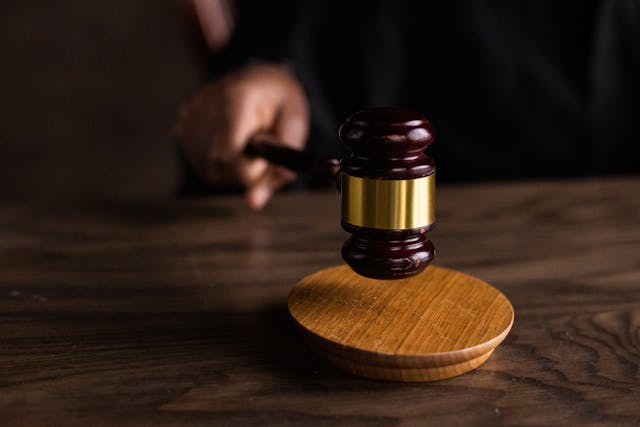
In a courtroom, the weight of a judge’s gavel can drastically shift the course of lives and fortunes. When it comes to proving fault in a case that has gone to trial, your attorney from Michael Alan Siddons knows that every aspect of their case must be meticulously prepared to sway the judge in their client’s favor. From presenting compelling opening statements to skillful cross-examinations, each move is carefully orchestrated to guide the judge towards a favorable decision.
Understanding the Judge’s Role
The judge isn’t just an observer; they are entrusted with parsing through all the evidence and arguments presented by both sides and distilling them down to arrive at a fair and impartial decision. The attorneys must effectively present their client’s perspective, drawing attention to the defendant’s actions and how they directly led to the harm suffered by the plaintiff.
The Power of Evidence
The evidence presented during the trial plays a critical role in shaping the judge’s opinion. It isn’t just about proving what happened; it’s about establishing a convincing link between the defendant’s actions and the harm suffered by the plaintiff. This is where expert testimony, witness statements, medical records, and any other relevant evidence can make all the difference.
For instance, if an accident involved a drunk driver hitting a large pile of stones on a one-lane road, causing damage to your vehicle, the evidence would need to demonstrate precisely how the other driver’s actions led to the accident and your subsequent losses.
Crafting Persuasive Legal Arguments
Alongside presenting compelling evidence, attorneys must masterfully construct persuasive legal arguments that align with their client’s best interests. Effective legal strategies can influence how a judge perceives the facts and ultimately shape their final decision.
In essence, it’s essential for attorneys to strategically navigate the courtroom landscape, from presenting irrefutable evidence to crafting compelling legal arguments. This skillful orchestration can significantly impact not just compensation but also the legal reputation of all parties involved in the case.
If you’re seeking legal assistance in proving fault or understanding your rights in Media, PA, don’t hesitate to contact Michael Alan Siddons at (610) 255-7500.
Get a Free Consultation
If you have questions about your legal options, contact Siddons Law Firm for a free consultation. We serve clients throughout Delaware County, Chester County, Montgomery County, and the surrounding communities in Pennsylvania, New Jersey, New York, and Maryland.