Car accidents are a reality we all hope to avoid. However, understanding the types of collisions can help you navigate through them should they occur. Rollover accidents and T-bone crashes are two distinct types that not only differ in how they happen but also in their legal implications. Rollover accidents typically involve vehicles tipping over due to high speeds or sharp turns, leading to severe injuries or fatalities. On the other hand, T-bone accidents happen when one vehicle strikes the side of another, usually at intersections, often due to traffic violations like running red lights. In this article, we’ll break down the characteristics, causes, and legal considerations of both types of accidents to help you stay informed and prepared.
Legal Considerations in Rollover and T-Bone Accidents
The key legal considerations in rollover accidents typically revolve around vehicle design and stability, while T-bone accidents mainly focus on right-of-way and traffic signal violations. Both types of accidents can involve complex liability assessments. However, T-bone cases usually address issues of fault more directly due to intersectional traffic laws.
Rollover Accidents: What You Need to Know
Rollover accidents are unique in both how they occur and their consequences. These incidents often happen when a vehicle’s height, speed, and maneuvering angle combine, causing a critical shift in balance. For example, when a tall SUV or truck takes a sharp turn at high speed, the center of gravity can shift dramatically, causing the vehicle to tip over.
Rollover accidents are more prevalent on rural roads where speed limits are higher and curves are sharper, with approximately 85% of fatalities occurring outside urban centers.
Injury Risks in Rollover Accidents
The injuries sustained from rollover accidents can be severe and life-changing. Common injuries include traumatic brain injuries (TBI), spinal cord damage, broken bones, and internal bleeding. Statistics show that passengers in rollover accidents face injury rates three times higher than those in frontal collisions. The violent nature of a vehicle rolling over means occupants often suffer impacts against the vehicle frame or interior surfaces, leading to devastating outcomes.
Common Causes of Rollovers
Several factors contribute to rollover accidents. Understanding these causes is essential for drivers to minimize risk:
- High Speed: Exceeding speed limits increases the risk of losing control during turns.
- Sharp Turns: Sudden maneuvers, especially at high speeds, elevate rollover risks significantly.
- Vehicle Type: SUVs and trucks are more susceptible to rollovers because they have higher centers of gravity than sedans.
- Poor Road Conditions: Unpaved or poorly maintained roads can compromise vehicle stability.
- Driving Under the Influence: Alcohol or drug impairments reduce reaction times and increase the likelihood of dangerous driving behaviors.
Preventive Measures
To mitigate the risks associated with rollover accidents, consider these proactive steps:
- Always wear your seatbelt. This simple action can significantly reduce injury severity if an accident occurs.
- Avoid speeding and take turns slowly. Maintaining control of your vehicle is crucial for safety.
- Regularly check your vehicle’s tires and brakes. Well-maintained vehicles perform better and handle better when needed.
- Invest in safety features like anti-lock brakes and electronic stability control (ESC), which help keep the car grounded during tricky situations.
Being alert and aware of your surroundings while driving is just as vital as ensuring your vehicle is equipped with proper safety features. Every precaution counts toward protecting yourself and others on the road.
T-Bone Collisions Explained
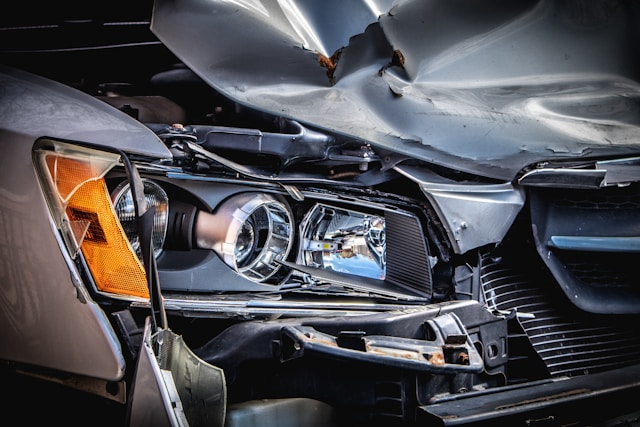
T-bone accidents, also known as side-impact collisions, occur when one vehicle’s front end crashes directly into the side of another vehicle, creating a T-shaped impact. These incidents often happen at intersections where drivers might be distracted or fail to follow traffic signals.
T-bone accidents account for nearly 27% of passenger vehicle occupant deaths in the U.S., highlighting the importance of caution at intersections.
Impact Analysis of T-Bone Collisions
While vehicle structures are designed for front-end and rear-end impacts, side impacts are less protected. This makes side-impact crashes particularly dangerous, as vehicles often lack the robust side structures seen in front-end collisions. As a result, occupants are more likely to suffer severe injuries like traumatic brain injuries, spinal cord damage, or internal bleeding.
Common Causes
T-bone accidents often happen due to specific driver behaviors. Here are the most common causes:
- Failure to Yield: A driver neglecting to yield during turns at intersections can lead to catastrophic results.
- Running Red Lights: Around 70% of T-bone accidents are caused by running red lights, especially during high-traffic periods.
- Distracted Driving: Texting or other distractions can lead to missed traffic signals, significantly increasing the risk of side-impact collisions.
- Speeding: Excessive speed reduces reaction time and can intensify the severity of an accident.
Legal Considerations of T-Bone Accidents
The legal landscape surrounding T-bone accidents is complex. Fault is typically determined based on traffic laws. If one driver runs a red light and strikes another, they are usually deemed liable. However, determining fault becomes more complicated if both drivers contributed to the accident, such as by speeding.
In such cases, both drivers may share liability under a comparative negligence system, affecting the compensation they can receive.
Rollovers vs. T-Bones: Liability Comparison
Liability for rollover accidents typically falls on the driver involved, especially in single-vehicle incidents caused by high-speed turns or hitting an obstacle. However, if a vehicle malfunction—such as a tire blowout—contributes to the rollover, liability may shift to the manufacturer.
In contrast, T-bone collisions often involve clear fault, especially when traffic laws are violated. The determination of liability in these cases usually rests with the driver who violated traffic laws, such as running a red light or failing to yield.
Insurance and Legal Support
Navigating insurance claims after an accident can be overwhelming. However, having the right legal support can make all the difference. Insurance companies often attempt to minimize payouts, so having an experienced lawyer, such as those at Siddons Law Firm, on your side ensures that your rights are protected.
By engaging legal professionals who understand personal injury laws, you gain the support needed to negotiate fair settlements and navigate insurance complexities.
Get Help Today – Contact Siddons Law Firm
Whether you’ve been involved in a rollover or T-bone accident, it’s crucial to have expert legal representation. At Siddons Law Firm, we specialize in personal injury cases and are dedicated to getting you the compensation you deserve. If you need assistance with your accident claim, don’t hesitate to contact us at 610-255-7500 today.
Get a Free Consultation
If you have questions about your legal options, contact Siddons Law Firm for a free consultation. We serve clients throughout Delaware County, Chester County, Montgomery County, and the surrounding communities in Pennsylvania, New Jersey, New York, and Maryland.